Learn the everyday etiquette that helps students settle into Korean life with confidence. From formal language and respectful body language to dining customs, road safety, and recycling rules, this page turns essential cultural guidance into a simple, modern web experience.
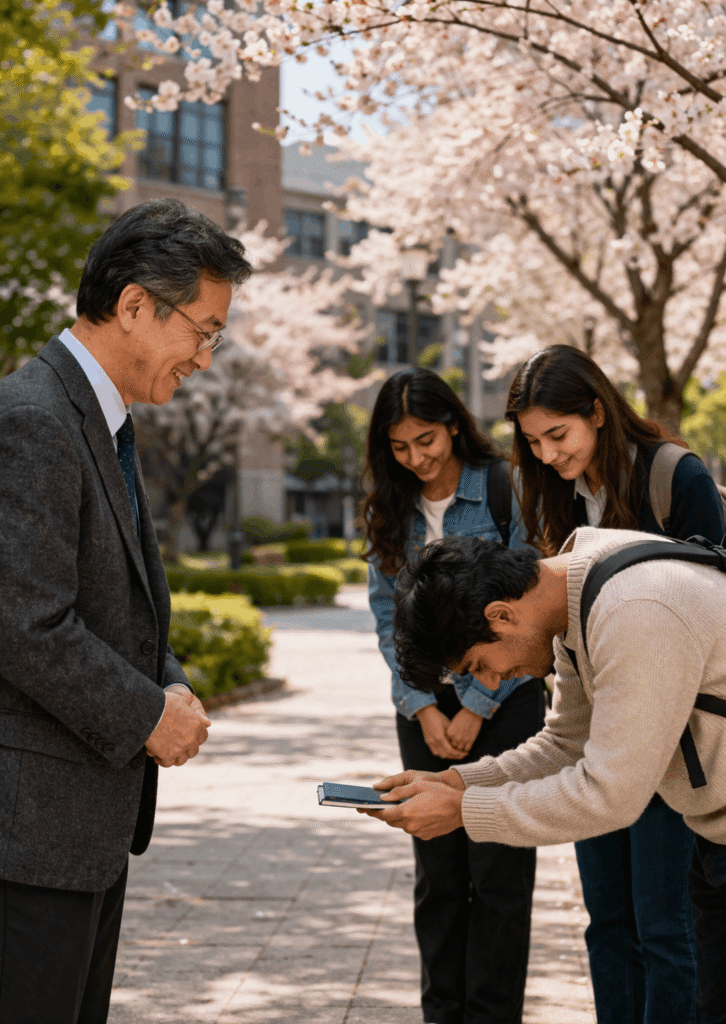
In South Korea, small habits often speak louder than words. The way you bow, pass an item, wait for elders, or speak to a professor can shape first impressions quickly. For students, good manners help build trust, avoid misunderstandings, and make academic and social life smoother.
Important in classrooms, public settings, and professional spaces.
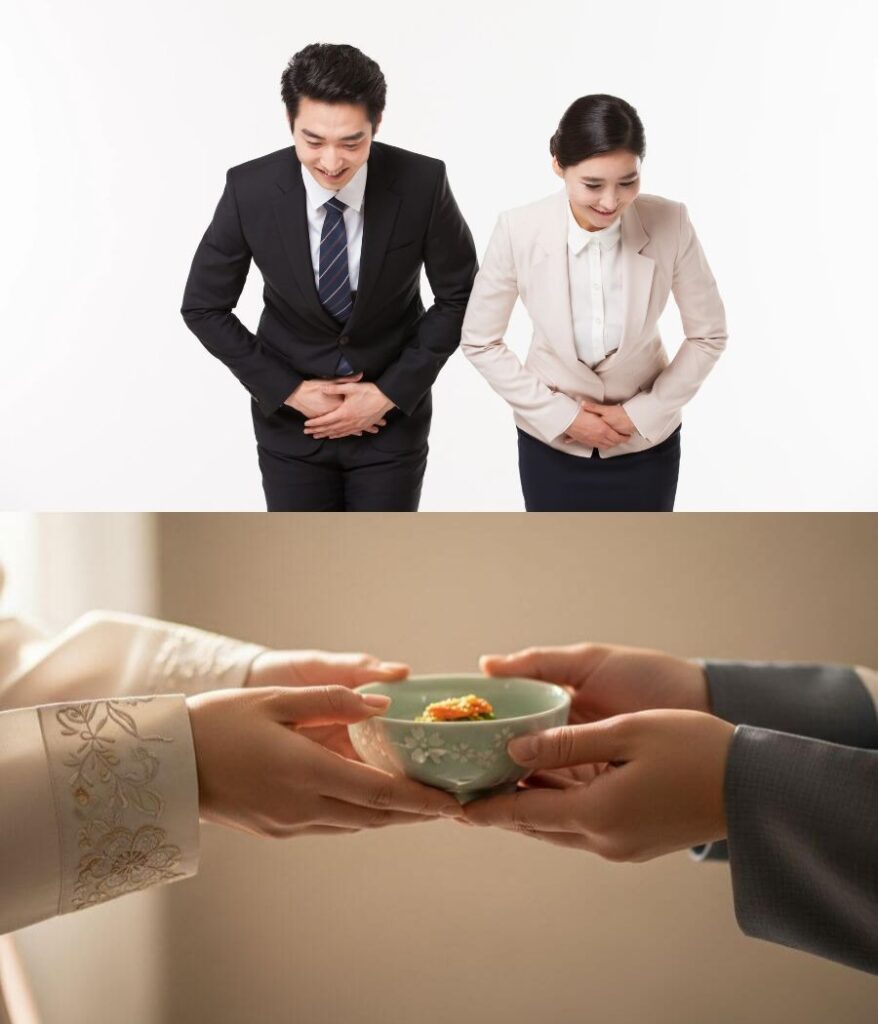
A safe and respectful way to give, receive, or serve.
Age and seniority strongly influence social behavior.
Dining, crossing roads, and sorting waste are all rule-based.
A traditional respectful hand posture used during formal events or while listening to a senior. Hands rest near the navel with relaxed shoulders and calm posture.
Use both hands when giving or receiving business cards, gifts, money, or papers. If one hand is busy, support the active arm with the other hand.
In formal situations, intense eye contact with seniors can feel aggressive. Avoid touching, hugging, or patting strangers and older people.
Quick tip: If you are unsure what to do, use polite speech, bow slightly, and offer or receive with both hands. These habits solve most etiquette situations gracefully.
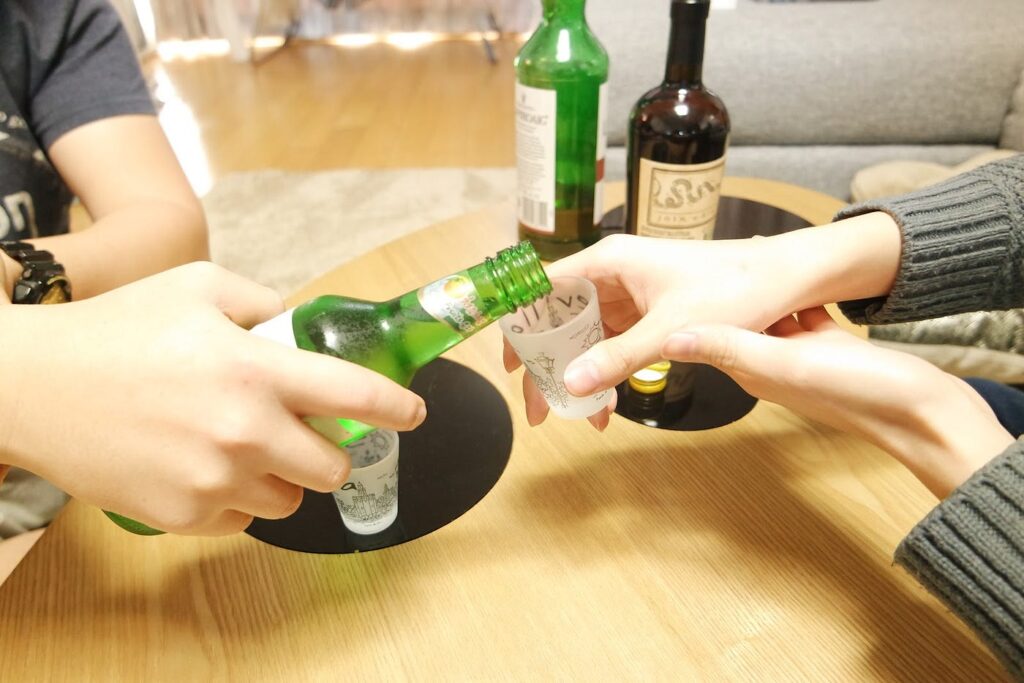
Group meals and drinking culture are closely tied to bonding and respect. Even if you do not drink alcohol, understanding the gestures is still valuable.
You can still join the social moment respectfully. Accept the gesture, join the toast, and participate with a soft drink if needed. The social respect matters as much as the drink itself.
| Action | Formal Setting | Friend Setting |
|---|---|---|
| Pouring | Use both hands or support the wrist. | One hand may be acceptable, but polite support is still appreciated. |
| Receiving | Hold the glass with both hands and bow slightly. | Usually relaxed, but polite posture is still common. |
| Drinking | Turn away slightly from seniors. | Face forward or turn only a little. |
| Refilling | Usually after the glass is fully empty. | When the drink is nearly finished. |
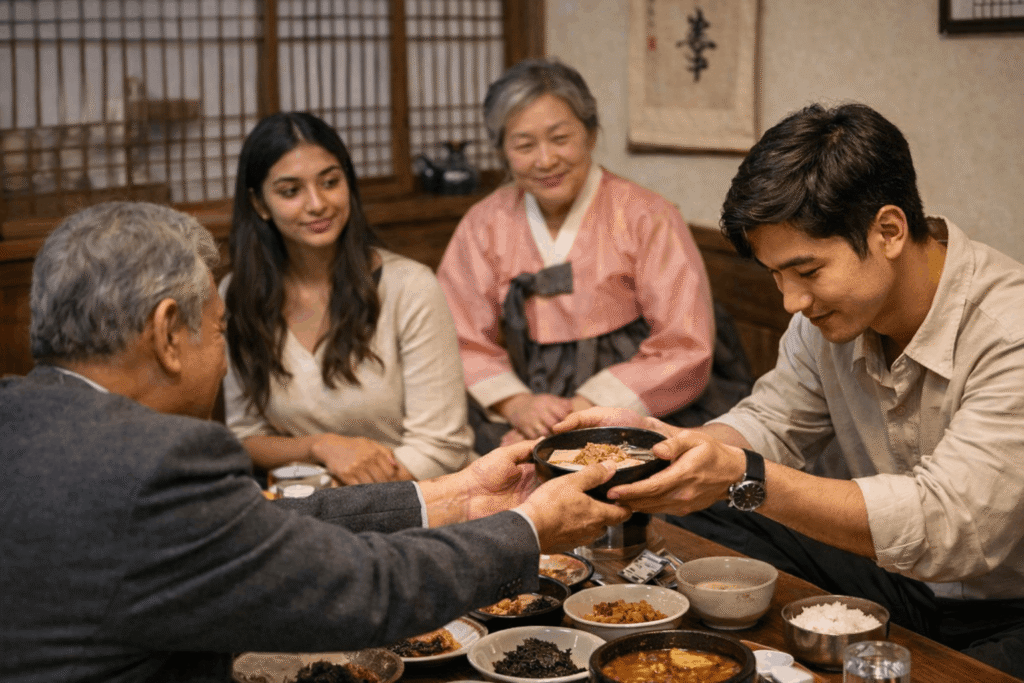
Meals in Korea are about more than food. They reflect hierarchy, timing, cleanliness, and attention to the group.
Never start eating before the eldest or senior-most person lifts their spoon or chopsticks first.
Use the spoon for rice and soup, and chopsticks for side dishes. Do not hold both in one hand together.
Take food from the nearest side, avoid searching for the “best” piece, and keep the table neat while eating.
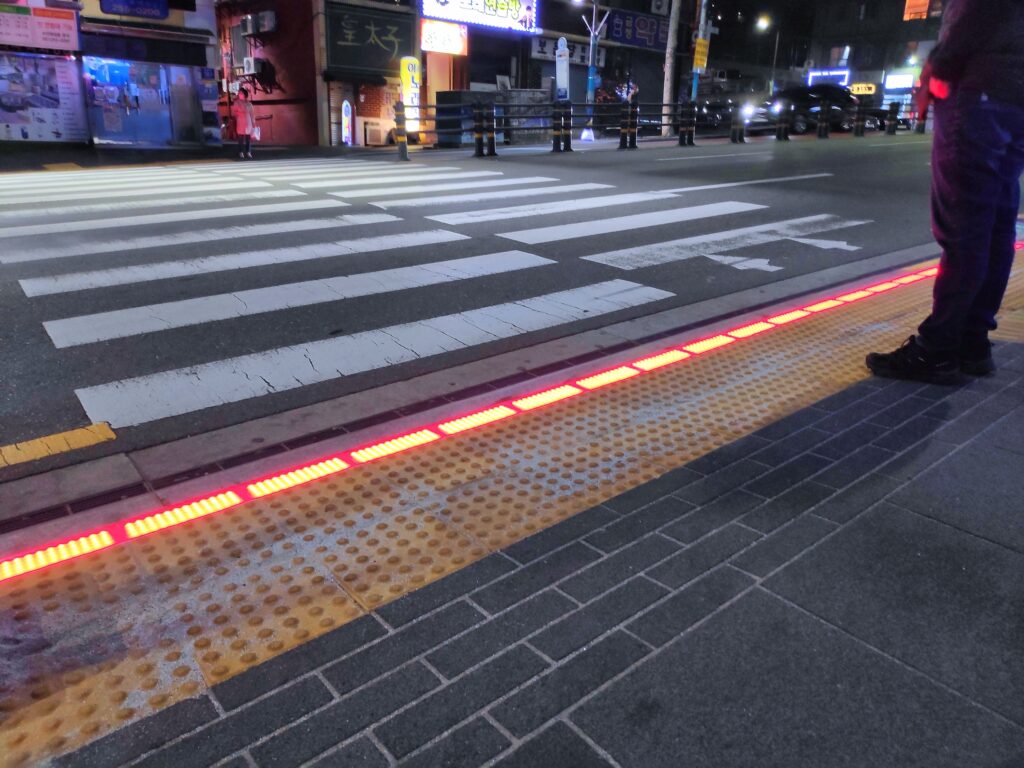
Some suburban roads use a real “push to cross” button. In busy city areas, the button you see is often for audible guidance and accessibility, not for speeding up the light.
Call 112 for police and 119 for medical or fire emergencies. Do not try to handle traffic accidents privately.
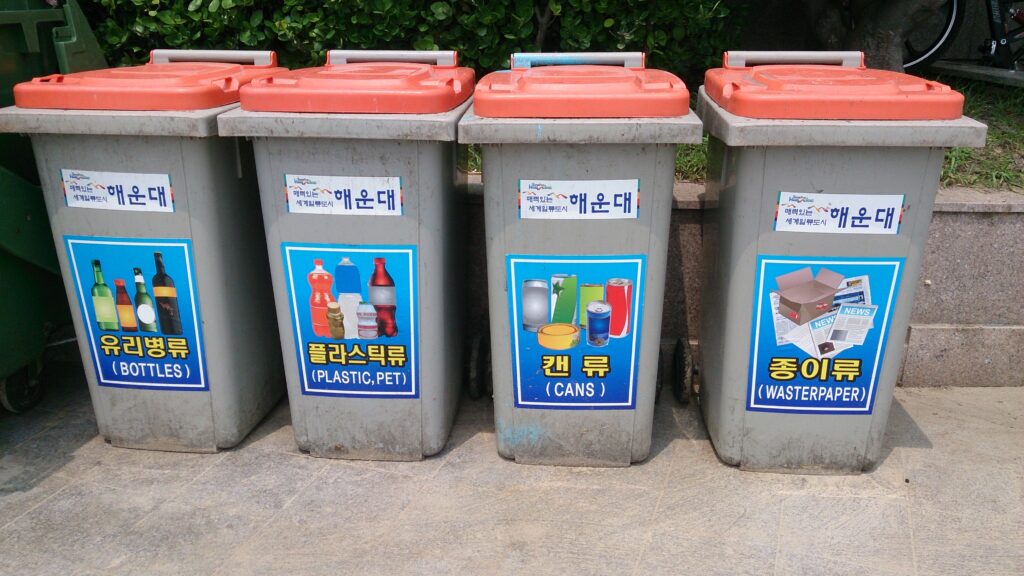
Usually handled at central collection stations with clearly marked bins and more frequent disposal options.
Often placed outside the building entrance during fixed evening hours. Following timing rules matters.